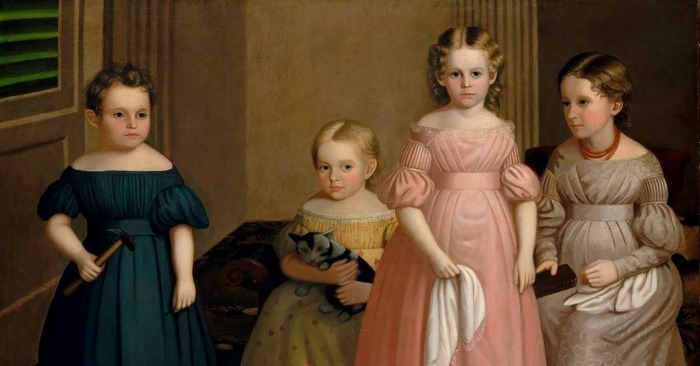
Today, pink is often linked to femininity and blue to masculinity—but this colour code wasn’t always the rule. In fact, not so long ago, it was quite the opposite. Before the 20th century, pink was considered a strong, masculine hue, while blue was reserved for girls, admired for its softness and spiritual associations.
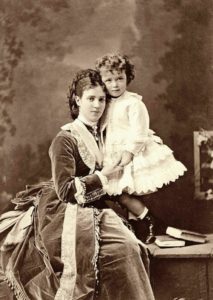
For centuries, babies of all genders were dressed in white gowns. This had nothing to do with gender and everything to do with practicality. White was easy to bleach, and long robes made diaper changes easier. Only around the age of five or six were boys ceremonially “breeched” and moved into trousers—a rite of passage that marked their transition into boyhood.
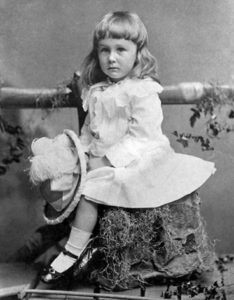
As children began to wear colored clothing, pink became the go-to shade for boys. It was seen as a lighter version of red—bold, energetic, and masculine. Blue, associated with the Virgin Mary, symbolized purity and calm, making it the natural choice for girls. A 1918 trade publication even stated that “pink is for boys and blue is for girls,” a notion widely accepted at the time.

It wasn’t until after World War II that this color code flipped. Women, eager to reclaim femininity in fashion, embraced pink, while men’s roles and uniforms reinforced blue as a masculine tone. The shift was gradual, but by the 1980s, pink was firmly planted in the world of girlhood and pop culture. The story of pink and blue reminds us that even the strongest traditions are born from change—and always open to it.